Y2Q Is Coming: How to Prepare Your Encryption for the Quantum Computing Threat

Introduction
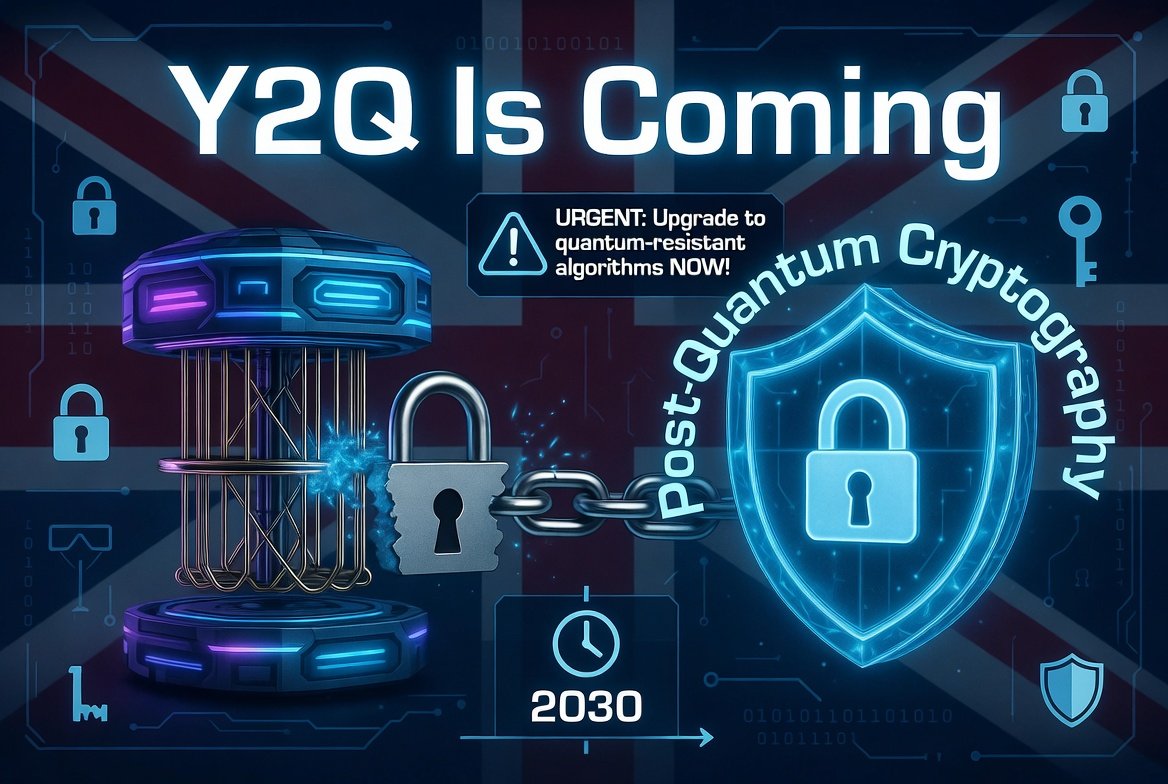
A new digital doomsday is approaching — experts call it Y2Q (Years to Quantum). Quantum computers powerful enough to break today’s encryption standards are getting closer.
Post-quantum cryptography is the solution. It refers to new encryption algorithms designed to withstand quantum attacks. In this guide, you’ll discover why Y2Q is a real threat and exactly how UK businesses can prepare their encryption systems before it’s too late.
What Is Y2Q and Why Should You Care?
Y2Q is the moment when quantum computers become powerful enough to break widely used public-key encryption like RSA and ECC. Unlike Y2K, this threat cannot be fixed overnight.
Governments and tech giants are already warning that sensitive data harvested today can be decrypted later — the “Harvest Now, Decrypt Later” attack.
How Quantum Computers Break Current Encryption
Quantum computers use qubits and algorithms like Shor’s algorithm to factor large numbers exponentially faster than classical computers. This makes current encryption methods vulnerable.
Data that needs to remain secret for 10+ years (financial records, medical data, intellectual property) is especially at risk.
What Is Post-Quantum Cryptography?
Post-quantum cryptography includes a new set of mathematical algorithms that are believed to be resistant to both classical and quantum attacks.
The US National Institute of Standards and Technology (NIST) has already standardised several post-quantum algorithms, and migration has begun.
Why You Need to Start Preparing for Y2Q Today
Quantum computers are advancing faster than expected
Migration takes years for large organisations
Regulatory pressure is increasing
Early movers will gain competitive advantage and avoid future breaches
Waiting until quantum computers are here will be too late.
Practical Steps to Prepare Your Encryption for Quantum Threats
Here’s a clear action plan:
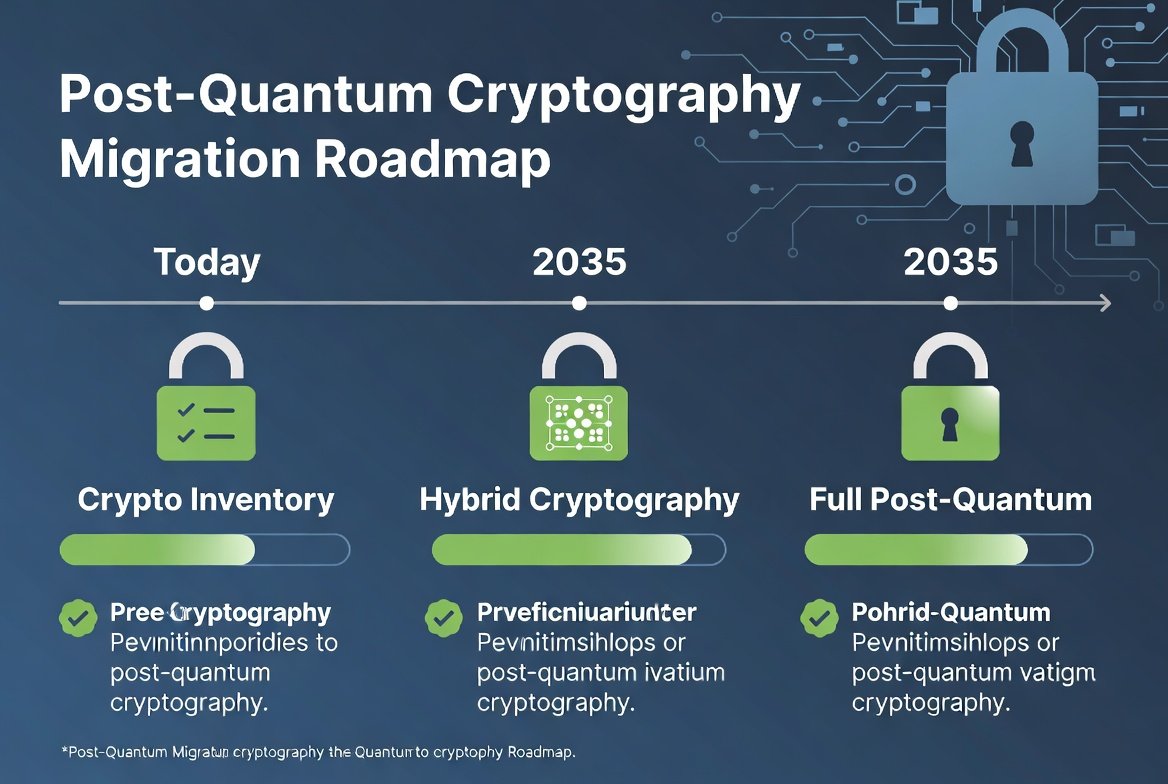
Conduct a Crypto Inventory — Identify all uses of vulnerable algorithms (RSA, ECC, etc.)
Prioritise High-Risk Data — Focus on long-lifespan sensitive information first
Adopt Hybrid Cryptography — Combine classical and post-quantum algorithms during transition
Stay Updated with NIST Standards — Implement approved post-quantum algorithms
Test and Pilot — Run compatibility tests in non-production environments
Update Security Policies — Include quantum readiness requirements
Work with Experts — Partner with firms experienced in post-quantum migration
Industries Most at Risk from the Quantum Threat
Banking and Finance
Healthcare and Pharmaceuticals
Government and Defence
Legal and Intellectual Property
Cloud Service Providers
Current Post-Quantum Cryptography Standards and Tools
NIST has approved algorithms such as:
CRYSTALS-Kyber (key encapsulation)
CRYSTALS-Dilithium (digital signatures)
FALCON and SPHINCS+
Major cloud providers (AWS, Azure, Google) are already rolling out post-quantum support.
Hybrid Cryptography: The Smart Transition Strategy
Using both traditional and post-quantum algorithms together ensures security today while preparing for tomorrow.
Timeline: When Will Y2Q Actually Arrive?
Experts predict cryptographically relevant quantum computers could appear between 2030 and 2035 — but preparation must start now.
10. FAQ Section
What does Y2Q mean?
Y2Q stands for “Years to Quantum” — the period before quantum computers can break current encryption standards.
What is post-quantum cryptography?
Post-quantum cryptography refers to encryption algorithms designed to be secure against attacks from both classical and quantum computers.
How long will it take to migrate to post-quantum cryptography?
Large organisations typically need 3–7 years for full migration, depending on system complexity.
Is quantum computing a real threat right now?
Yes. The “Harvest Now, Decrypt Later” strategy means data being stolen today could be decrypted once quantum computers mature.
How can small businesses prepare for Y2Q?
Start with a crypto inventory, use hybrid solutions, and work with cybersecurity providers who offer post-quantum readiness services.
Conclusion with CTA
The quantum computing threat is no longer science fiction — Y2Q is approaching. Organisations that start preparing their encryption with post-quantum cryptography today will protect their data, reputation, and future.
Don’t wait until it’s too late.
Ready to make your systems quantum-resistant?
Contact the AI & Cybersecurity experts at Humai Webs today. We help UK businesses assess quantum risks and implement post-quantum cryptography solutions smoothly.
Visit humaiwebs or reach out for a Quantum Readiness Assessment.